The short answer
Stop if you can do it safely. Call 911 if anyone is hurt. Take photos and exchange driver, vehicle, and insurance details. Tell your own insurer. Filing time is set by your state. California and Texas use two years for many personal injury suits. New York generally uses three. A lawyer can walk through those steps. No one can promise a settlement.
On this page
what to do after a car accident is a short list once the scene goes quiet. Official pages still use the same order: get people safe, record what you can, tell your own insurer, and find the filing clock for that state.
Get people safe
The California DMV handbook says you must stop. Leaving the scene is a hit-and-run. Call 911 right away if anyone is hurt. If no one is hurt, move the vehicle out of traffic when you can, then call 911.
Texas DOT starts the same way: check for injuries first. If no one is hurt and you can drive the vehicle, Texas law requires you to move it out of the flow of traffic.
If a child was in a car seat, NHTSA says to replace the seat after a moderate or severe crash. A minor crash, as NHTSA defines it, does not automatically require a new seat.
Record the scene
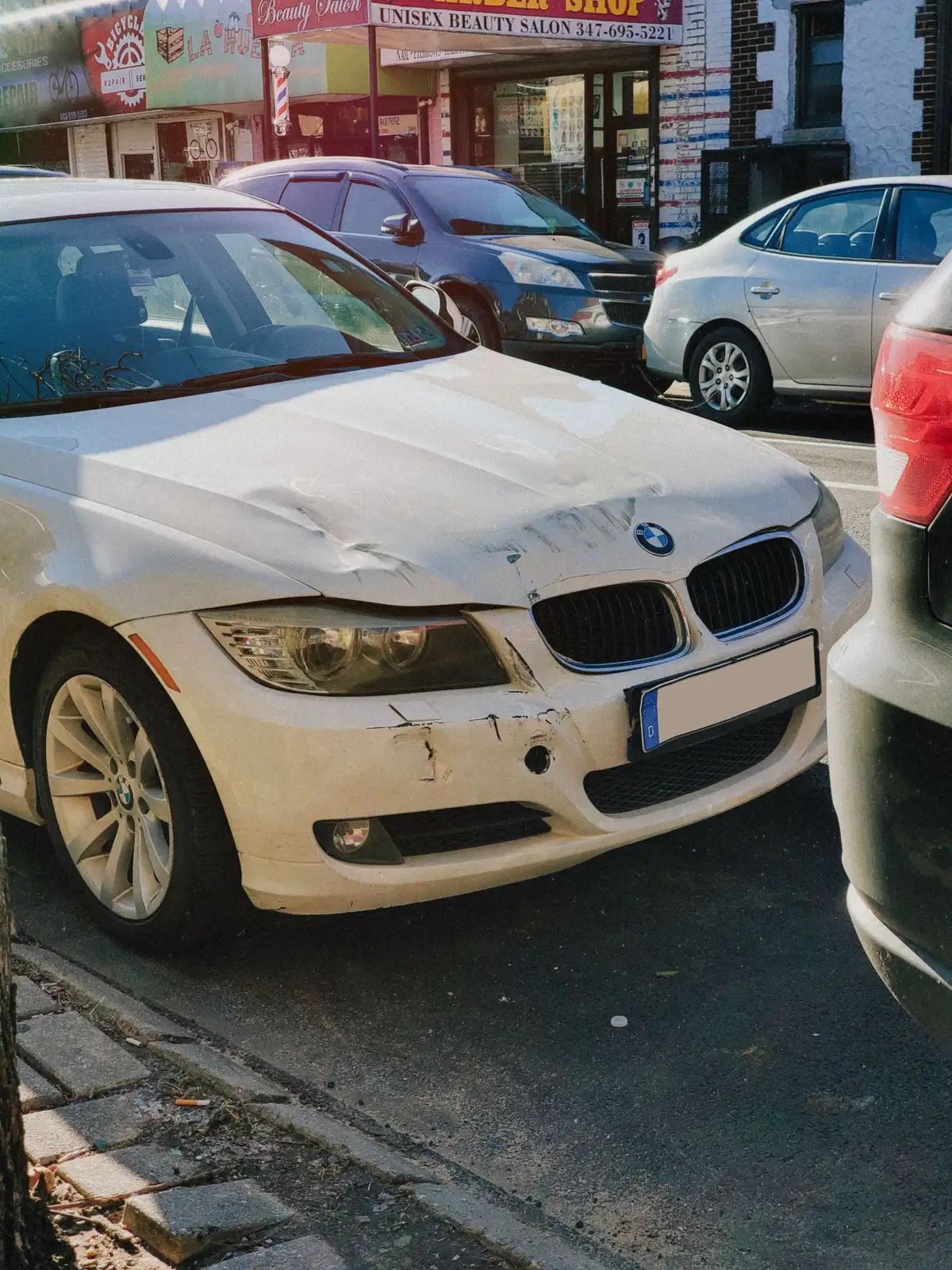
California's insurance department tells you to get names, addresses, phone numbers, and driver's license numbers from all drivers, plus plates and vehicle identification numbers. Photograph the damage and the scene, including traffic controls. Get names of passengers and witnesses.
Texas DOT adds the location and the names, addresses, and phone numbers of witnesses. If the vehicles cannot be moved, protect the scene.
Do not argue about fault at the scene. California's insurance page says to save your story for the police and your insurance company, and not to sign statements about fault or promises to pay.
Reports the state may already require
Do I need a police report after a car crash? is the short version. In California, you must make a report to law enforcement within 24 hours if anyone is injured or killed. You must also file a Report of Traffic Accident (SR-1) with DMV within 10 days if anyone is injured or killed, or if property damage is over $1,000. Law enforcement will not file that DMV report for you. A missed SR-1 can suspend a driving privilege.
Texas DOT says to call police when someone is hurt or killed, the vehicles cannot be moved, you suspect a driver is intoxicated, a driver has no insurance, or a driver leaves the scene.
Tell your own insurer
Notify your agent or company immediately. That is the line on the California insurance page. Should I talk to the other driver's insurance company? covers the separate call from the other driver's insurer, including recorded statements.
Your company may take a written or recorded statement. An examination under oath can be requested. If you have medical payments or an uninsured motorist claim, you have to document the injuries, medical expenses, and lost wages.
Watch the filing clock
How long do I have to file after a car crash? is the side-by-side. There is no single national deadline.
California Code of Civil Procedure section 335.1 gives two years for an action for injury to, or the death of, a person caused by the wrongful act or neglect of another. Texas Civil Practice and Remedies Code section 16.003 gives two years from the day the cause of action accrues. New York CPLR 214 generally gives three years for a personal injury action.
Some notice rules are much shorter than those lawsuit clocks. A claim against a city or a state can have a notice window measured in days. What if I was partly at fault? covers how shared fault can cut or bar a recovery, including the New York change that applies to actions started on or after the date Part EE took effect.
Decide whether you want a lawyer
You can talk to insurers yourself. If you want counsel, how to choose a personal injury lawyer is the checklist, including the partner who may contact you through this site. A contingency fee, when it is used, has to be in a writing you sign.
No one can promise a settlement. The court or the insurer decides the claim.
Questions people ask next
Sources
- California DMV: Financial Responsibility, Insurance Requirements, and Collisionsdmv.ca.gov
- California Department of Insurance: So You've Had an Accident, What's Next?insurance.ca.gov
- Texas Department of Transportation: Tips to avoid collisions and what to do when one occurstxdot.gov
- Texas Civil Practice and Remedies Code section 16.003statutes.capitol.texas.gov
Who wrote this page
- Written by
- Injury First Steps editorial staff. Who runs this site
- Licensed professional
- None. No personal injury attorney has checked this page.
Ask about the first hours
A personal injury lawyer who serves your area may call about what to do after a car accident. The call does not hire them.